PLATE 09  ·  PARAMEDICAL
Home  /  Services  /  Paramedical Tattooing

Paramedical tattooing: pigment work for skin that has changed.
The restorative side of cosmetic tattooing — colour applied to skin altered by surgery, injury or medical treatment. Areola work is one part of it. The method holds across all of it: look first, measure, match tone in daylight, build colour in stages.

A healthcare worker in blue protective clothing and gloves handles metal instruments on a sterile clinical tray.
Reference photograph: instruments are checked and laid out before anything is opened.
DISCIPLINE

One discipline, several applications

Decorative tattooing begins with a design somebody wants. Paramedical tattooing begins with skin as it is — its depth of colour, its texture, the way settled scar tissue catches light differently to the skin beside it — and asks what pigment can reasonably do there. The drawing stage is longer, the colour work is more cautious, and the stopping point is agreed before anything starts.

Within this studio the discipline covers areola tattooing, nipple and areola restoration, work following mastectomy or reconstruction, colour correction, and camouflage of mature scarring both in the areola area and elsewhere on the body.

The boundaries are worth stating plainly. We do not diagnose, treat or advise on medical conditions, and we do not decide when skin is ready. Surgical clearance, healing and anything connected to ongoing care stays with your treating team; the studio works to what they confirm.

WHO IT MAY SUIT

Three situations people come to us with

After surgery

People whose chest or body has been altered by surgery and who would like colour redrawn or contrast softened, once healing is complete and their treating team is satisfied that the area is settled.

After injury or scarring

Scars that are mature, flat and no longer changing may be assessed for tonal work. Raised, active or recently formed scarring is not, and is better reviewed again later than worked on early.

Where earlier pigment has shifted

Colour placed some time ago — here or at another studio — that has warmed, cooled or softened unevenly. That is usually read as a refresh or a correction rather than new work.
Some skin is better left alone, and saying so is part of the assessment. That is a conversation for consultation rather than a conclusion to draw from a web page.
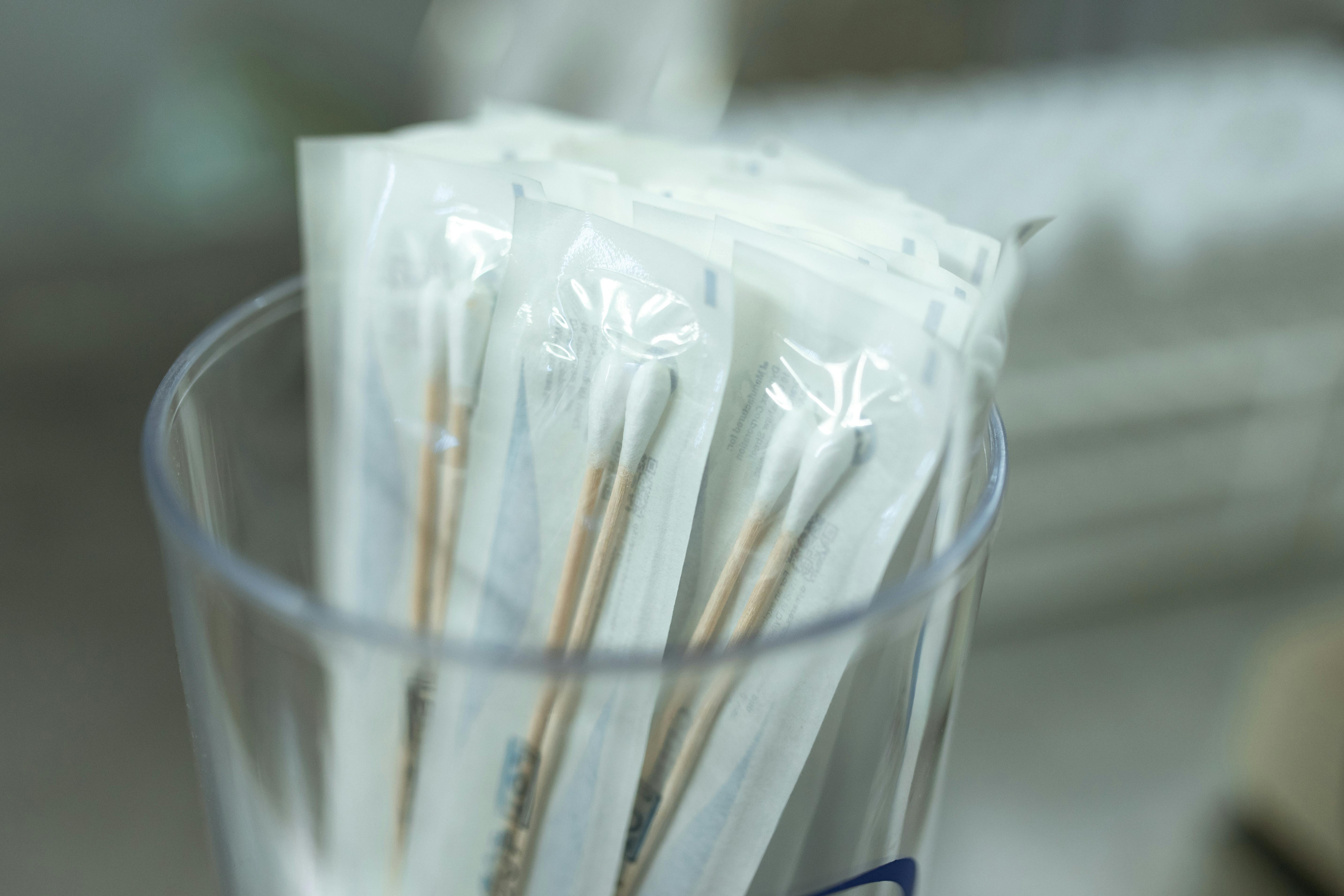
Individually packaged cotton swabs standing in a clear glass container in a softly lit clinical setting.
BEFORE THE DAY

How the consultation differs, and how to prepare

A decorative appointment starts with a brief. This one starts with looking. The area is viewed in daylight, texture and existing pigment are noted, and where it makes sense a patch test is arranged before any full session is discussed. Nothing is agreed on the same visit if you would rather take it away and think.

Preparing is mostly a matter of leaving the skin as it usually is: no sun exposure or self-tan on the area, no heavy moisturiser on the morning, and nothing new applied that week. Keep taking anything your doctor has prescribed — medication questions go to them, not to us — and mention it at consultation so the plan accounts for it.

Plan a quiet afternoon afterwards and loose, soft clothing. It is a small thing, but it makes the first days easier.

METHOD

The order of the work

Four stages, the same whichever treatment they belong to.
01

Assessment

Skin is read in daylight rather than under a lamp: base tone, texture, scar maturity, any pigment already present, and how the two sides compare where there are two. What is realistic is described at this point, not later.
02

Colour and design

Swatches are held against the skin and narrowed down with you. Shape and placement are drawn, measured and reviewed in a mirror before pigment is opened. Healed colour settles differently to fresh colour, and how it settles varies from person to person.
03

Staged application

The first pass is deliberately conservative. Colour is built rather than saturated, because depth can be added at a later appointment and taken away only with difficulty. You can ask to pause at any point during the session.
04

Healing and review

Written aftercare is given at the appointment and is specific to the area worked on. Colour looks strongest at first and lightens as skin settles, so any adjustment is considered only once healing is complete. There is more on this in our guide to areola tattoo healing.
QUESTIONS

Asked about paramedical work

Is this the same as a cosmetic tattoo?

It uses related technique, but the intent differs. Cosmetic tattooing enhances a feature; paramedical work restores or softens the appearance of skin that surgery, injury or treatment has changed.

Will there be a patch test?

One can be arranged at consultation where it is sensible — particularly if you have reacted before to pigments, dyes, adhesives or topical products. It is discussed rather than assumed.

Can you tell me how my result will look?

No, and we would be careful of anyone who does. Skin holds pigment individually. What we can do is explain what influences a result, and review healed work relevant to your situation privately with you at consultation. The Before & After page explains that policy: healed work is looked at with you in the studio rather than published here.

How is privacy handled?

Consultations are held privately and what you tell us stays with us. Photographs taken for planning are never published without written permission. Further questions are answered on the FAQ page.

If you would like it looked at, start with a quiet conversation.

Enquiries reach the studio privately and are read by us alone. Tell us as much or as little as you want to at this stage — a consultation is where the detail belongs.