SERVICE 02
Areola restoration after mastectomy
COLOUR MATCHING · REALISTIC SHADING · VISUAL SYMMETRY

REFERENCE · A QUIET, UNHURRIED SETTING FOR A PERSONAL CONVERSATION
01 · WHERE THIS FITS
A cosmetic step, alongside your medical care
After a mastectomy, some people reach a point where they want to think about how the chest looks, not only how it has healed. Areola restoration is one option at that stage. We use restorative tattooing to recreate natural-looking colour and definition where the nipple and areola were, or to bring a reconstructed area closer to the other side.
This is cosmetic and restorative pigment application, and nothing more. It does not treat cancer or any medical condition, and it is not a substitute for medical advice or surgical treatment. It does not create physical projection either. Instead, 3D nipple tattooing uses light and shadow to give the visual impression of depth on flat skin.
If you have had reconstruction, you may also find our page on areola tattooing after breast reconstruction useful.
02 · BEFORE ANY TREATMENT
Your consultation comes first
A personalised consultation
We start by listening. Before we recommend anything, we consider your anatomy, skin condition, surgical history and what you would like the result to look like. Then we assess whether treatment is suitable and explain each stage of the process. You can read more in your consultation and treatment process.
Clearance from your healthcare team
Medical clearance may be needed before treatment. Your surgeon or healthcare team are the right people to advise on timing and on how your skin has healed. We work alongside that advice and never in place of it. Our guide to preparing for areola tattooing after breast surgery covers what to think about beforehand.
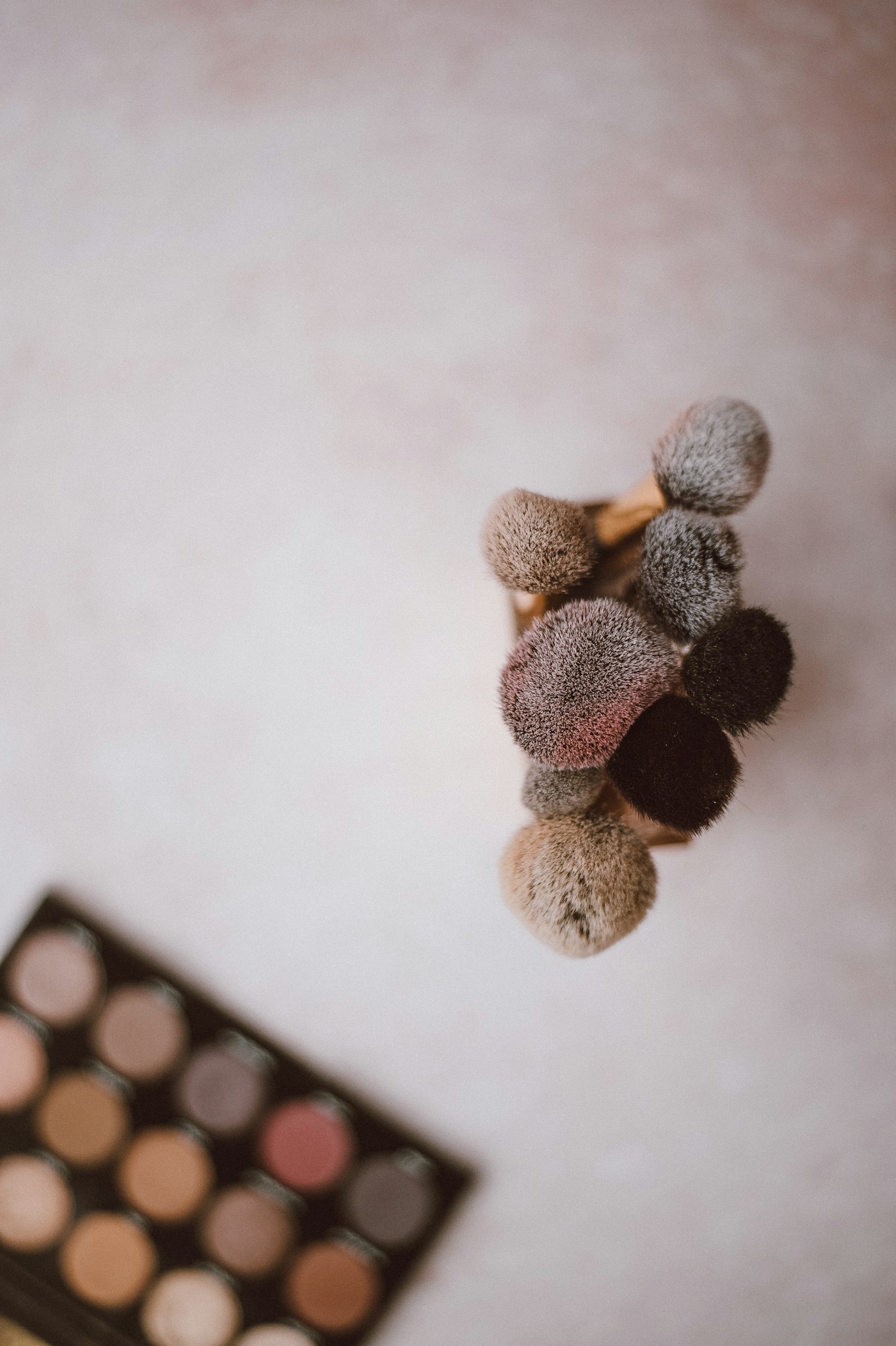
REFERENCE · NEUTRAL, MUTED TONES
03 · HOW THE TONE IS BUILT
Colour matching and realistic shading
A natural areola is never one flat colour. It has subtle variations in tone, so a realistic result depends on careful colour selection, shading and layering, not on finding a single matching pigment.
We match tones to your skin, and to the other side where there is one. We then build depth with realistic shading, softer edges and gentle highlights, paying close attention to visual symmetry. The reasoning is explained in why a single pigment looks flat.
04 · SURGICAL HISTORY
What was done, and when
The type of surgery and any further procedures affect how the skin takes and holds pigment.
SCARRING
Texture across the area
Scar tissue can take pigment differently. Where suitable, we may talk with you about scar camouflage as a separate option.
SKIN CONDITION
Tone, thickness, sensitivity
Previously operated skin can behave differently, and this shapes our colour choices and how we approach the work.
HEALING
Every body heals its own way
Pigment retention and the healed result vary from person to person, so results will not be identical for everyone.
FURTHER READING
Can a nipple tattoo look realistic without a reconstructed nipple?
Suitability, limitations and risks
When you feel ready, you can contact us to arrange a personal conversation at our Forest Hill studio. We also welcome clients from across Melbourne and other parts of Australia who are willing to travel.