
READING  ·  CHOOSING COLOUR
Home  /  Resources & Guides  /  Areola Colour Selection

Areola colour selection: reading undertone, not surface colour.
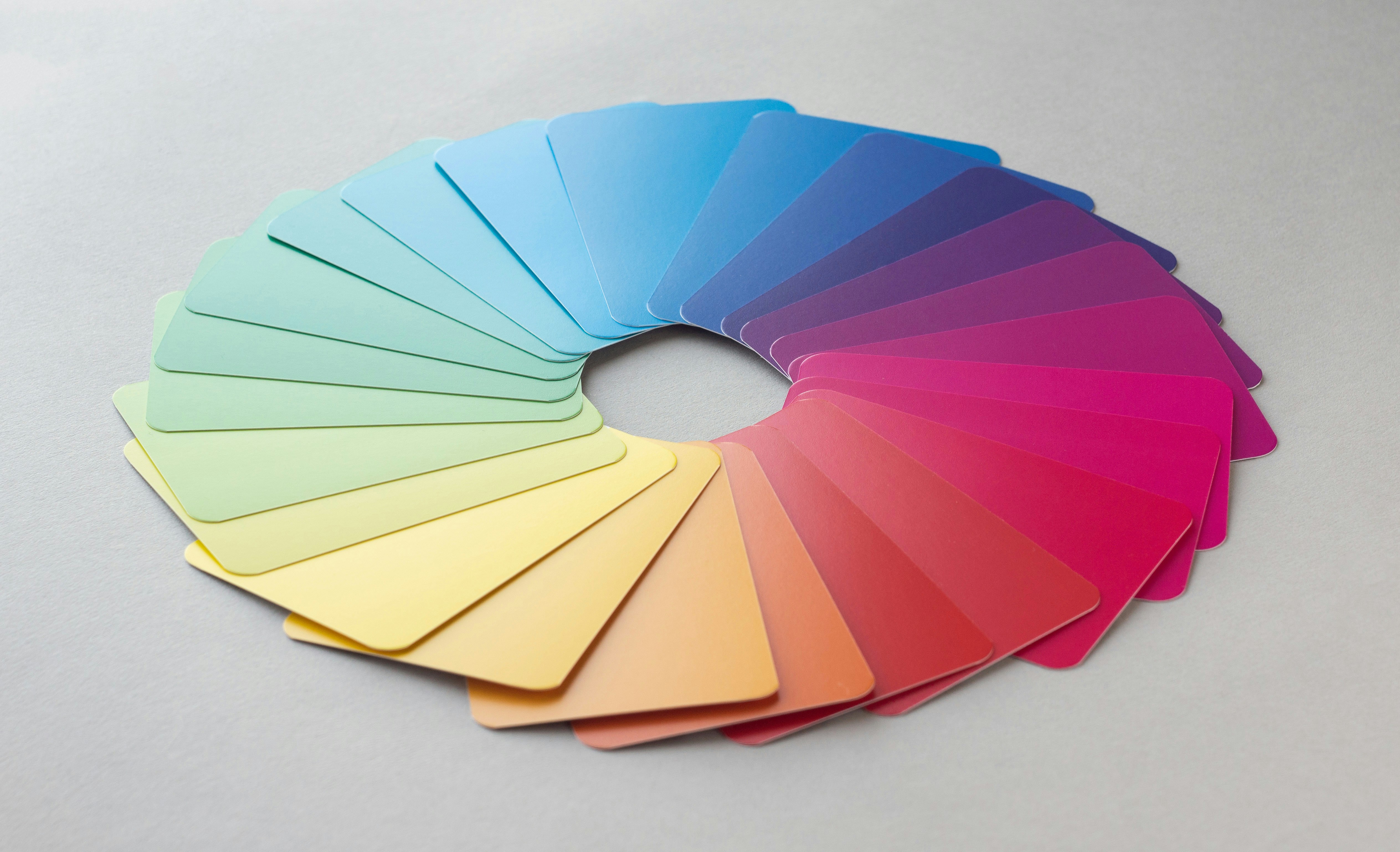
Tone is decided long before a needle is involved — in daylight, against your own skin, and with the understanding that freshly placed pigment and healed pigment are two different colours.
A circular arrangement of colorful rectangular paint or color swatches on a light surface.
Reference photograph: swatches read side by side in flat daylight. Colour is judged in comparison, never in isolation.
PRACTICAL

What helps the colour conversation

A photograph from before surgery, if you have one — even a casual snapshot carries useful information about tone.

Reference images of colouring you find natural, and any you would rather avoid. Both are equally useful.

Clothing that allows the chest area to be seen comfortably in the room’s daylight.

Any history of previous tattooing, pigment, laser or radiotherapy in the area.

Your questions, written down. Colour is easier to discuss out loud than people expect.

UNDERTONE

What is matched is undertone, not the colour you think you see.

Ask most people to name areola colour and they answer with a surface word — brown, pink, mauve. Skin does not work that way. What sits underneath is a bias towards warmth or coolness, and that bias is what a pigment has to agree with if the result is to look like it belongs. A cool-toned skin given a warm pigment can read orange as it settles; a warm skin given a cool one can read grey or ashy. So the conversation at consultation is less about picking a colour from a chart and more about establishing which direction your skin leans, then choosing a pigment that sits with it rather than against it. That reading is part of every appointment, including standard areola tattooing.
TWO STARTING POINTS

Two starting points for tone

When one areola remains

The remaining side becomes the reference — but not a flat target to copy. A natural areola is rarely one tone: it usually holds a slightly deeper ring, a softer outer edge and small irregularities that keep it from looking printed. Matching means reading that range, then building towards its middle rather than its darkest point, so the two sides settle into the same family without the new one announcing itself.

When both sides are being designed

With no side left to match, the reference comes from elsewhere: your own photographs from before surgery where they exist, and otherwise the tonal cues your skin already gives — the colour at the inner wrist, the lip line, the way the chest skin itself sits against a swatch. Preference matters here too. Some people want a tone close to what they remember; others deliberately choose something quieter. Both are reasonable, and the decision is yours to make in the room.
METHOD
Three habits that sit behind almost every colour decision made in the studio.

How a colour decision is actually made

Colour is assessed in daylight. Artificial light carries its own bias — warm bulbs flatter, cool ones drain. Swatches are read near a window wherever that is possible, because daylight is the light the result will be seen in most often. A tone that only convinces under a studio lamp is not a tone worth settling on.

The healed colour is the one that counts. Pigment looks strongest, and frequently warmest, on the day it is placed. The choice is therefore made for how the tone should sit some weeks later, once the skin has settled, rather than for how it reads that afternoon — which is also why a fresh result is never the one to judge the match against.

Lighter first, then built. Depth can be added at a later session; it cannot simply be taken back out again. Starting a step lighter than the intended tone and building in layers keeps the decision reversible for as long as possible, and leaves room to adjust once the first healing has actually been seen.
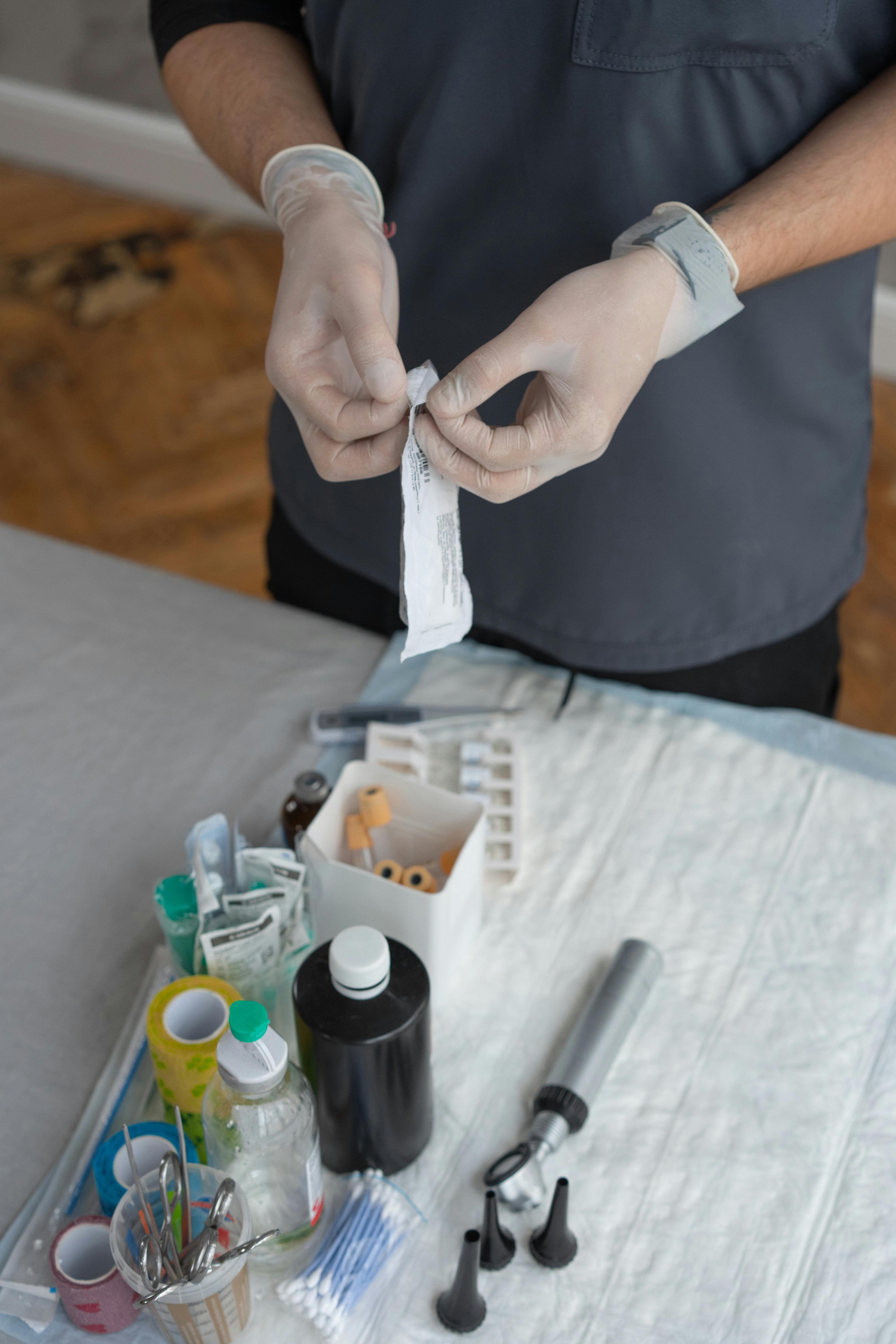
A gloved practitioner opens a sterile packaged item over a treatment table covered with clinical supplies and instruments.
Reference photograph: sterile supplies opened over a prepared table. A patch test is set up with the same preparation as a full session, only far smaller.
PATCH TESTING

Where skin has been treated or scarred, a small test comes first.

Skin that has been through surgery, radiotherapy or significant scarring does not always take pigment the way untouched skin does. Density changes, and so can the way a tone shifts once it settles. Where that is a consideration, a small, discreetly placed test of the intended colour may be discussed at consultation, with time allowed for it to heal before any full session is planned. It is an information-gathering step rather than a guarantee — but it turns an assumption into something observed.
If pigment already in the skin has drifted warm, cool or uneven over time, that is assessed differently again — see Areola Colour Correction.

Colour is easier to decide with the swatches in front of you.

A consultation is unhurried and private. Enquiries are handled confidentially and discussed only with you. If images would help, we will arrange a private way to look at them after we reply.