PRIVATE PARAMEDICAL PRACTICE
Confidential enquiries
Areola tattooing after reconstruction: designing with the surface surgery has already made.
What reconstruction changes about the surface being worked on
A reconstructed breast is not a blank version of the one that came before it. Depending on the surgery, the skin at the centre may have been stretched over an implant, moved from the abdomen or back as a flap, or grafted from another site entirely. Those surfaces do not all behave the same way.
Texture differs. Elasticity differs. Sensation is often reduced or altered, which changes how an appointment is paced and how it is talked through as it goes. Pigment can settle evenly across one area and sit lighter or diffuse more in another, particularly where skin is thin or where a graft edge meets original skin.
None of that is something to be settled in advance from a photograph. It is simply why the consultation looks closely at the actual surface, in daylight, before any design is agreed — and why what the skin does afterwards is observed rather than predicted.
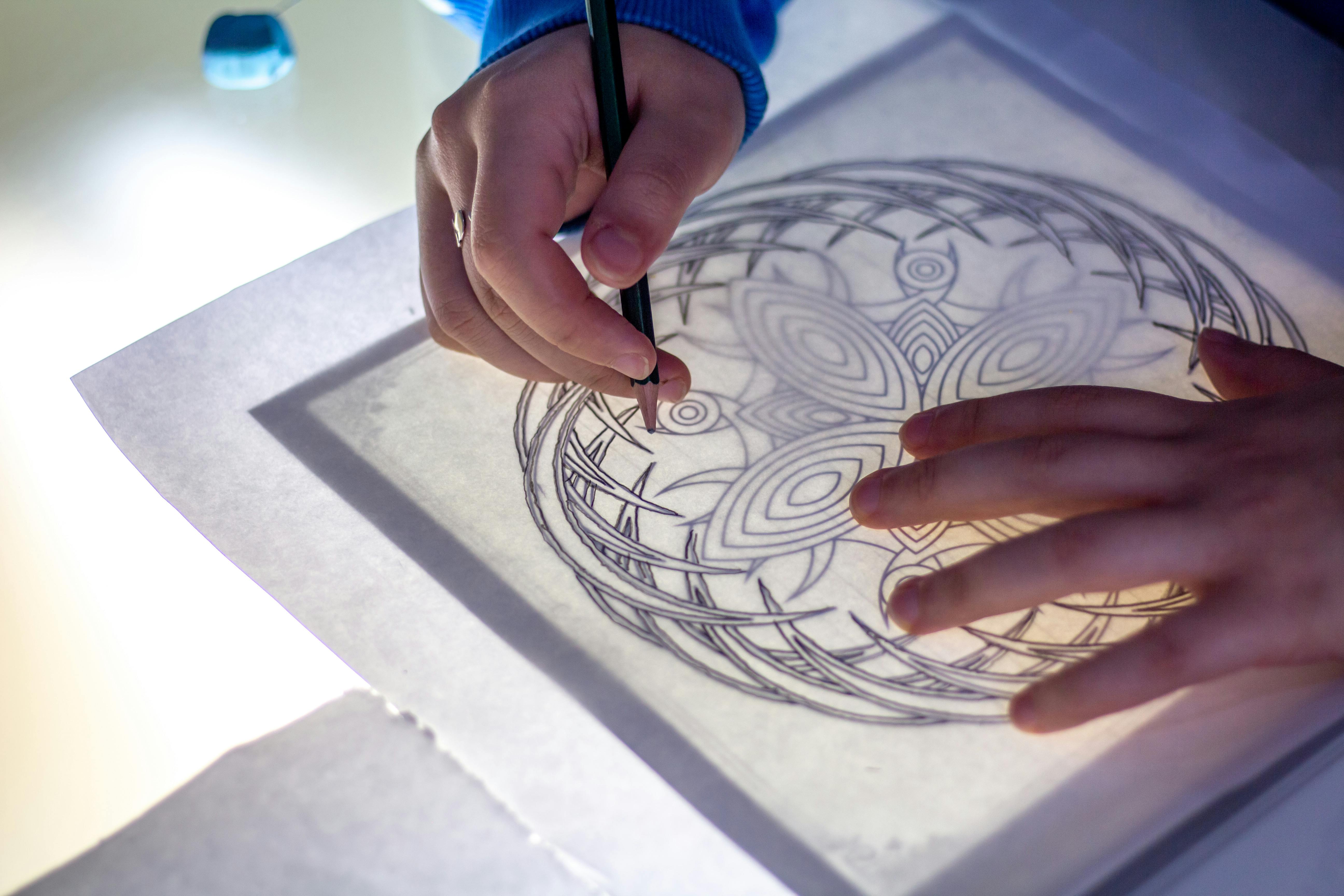
Mapping placement on the chest
Mapped seated
Checked standing
Why the work is often discussed in stages
Shape and base tone
A settling interval
Review, then any adjustment
Working with the lines that are already there
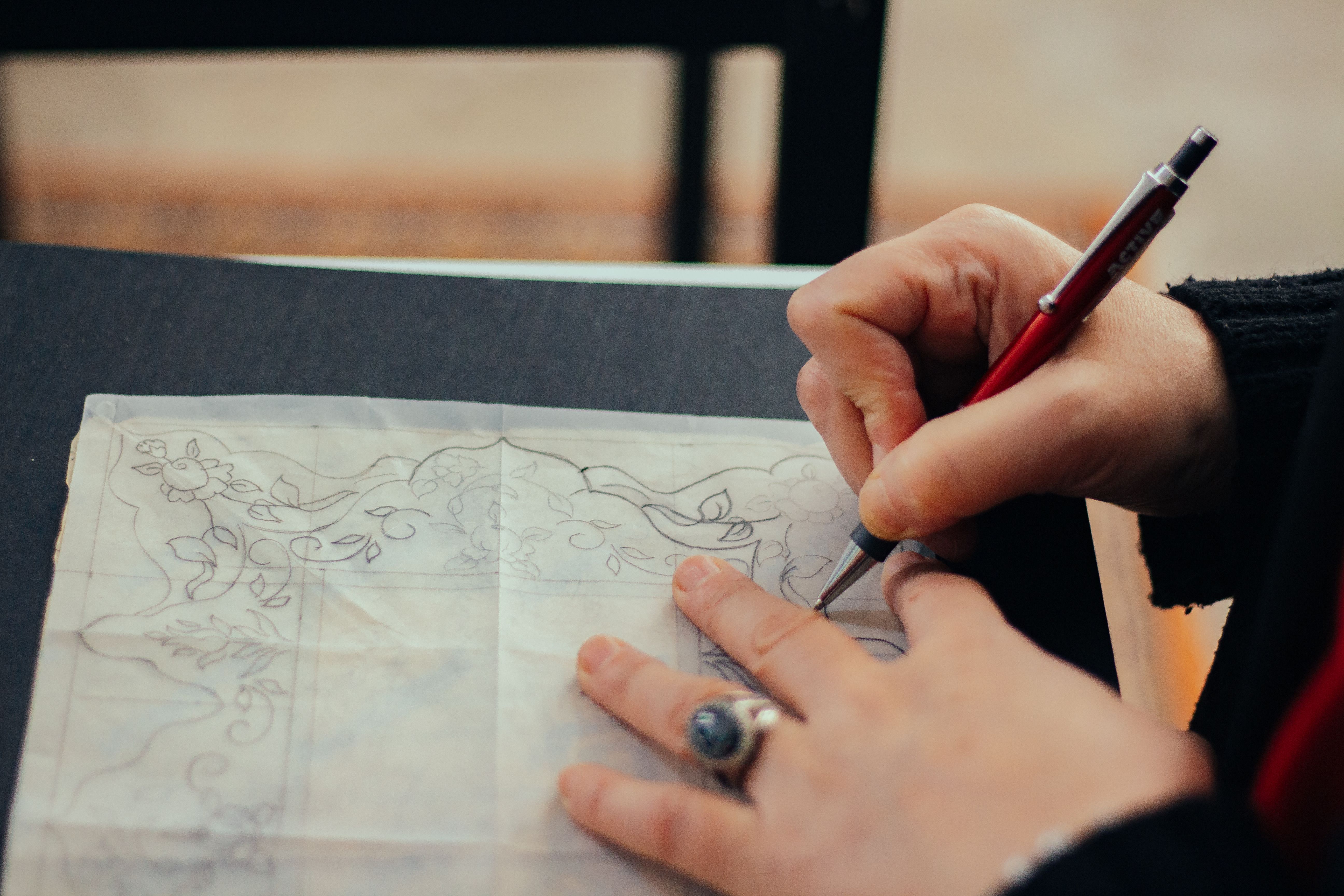
Reconstruction usually leaves at least one scar crossing or bordering the area to be tattooed, and there is little value in pretending otherwise. Where a line runs through the design, shading can be arranged so the eye reads the shape as a whole rather than travelling along the scar; where a line borders the area, it often becomes a natural edge to draw to.
Tone is decided with you rather than for you — held against your own skin in daylight, and against the opposite side where one remains. Mature scar tissue and moved tissue can hold pigment differently from the skin next to them, which is talked through openly at consultation rather than assumed.
If colour matching is the part you are least certain about, Areola Colour Selection covers how tone is built. For how shading creates the impression of form on a flat reconstructed surface, read 3D Areola Tattoo.