READING  ·  AFTER MASTECTOMY
Home  /  Resources & Guides  /  Areola Tattoo After Mastectomy

Areola tattooing after mastectomy: what is decided by your team, and what is decided in the studio.

Timing belongs to the clinicians who have followed your surgery. Shape, symmetry and colour belong to the consultation. This guide separates the two, so the questions you bring to each are the right ones.
SCOPE

General education about the tattooing side of the process — not medical advice, and not a view on your own healing.

Written for anyone weighing up areola tattooing after a single or double mastectomy, with or without reconstruction.

Reads across to two treatment pages and to the private consultation.
READINESS

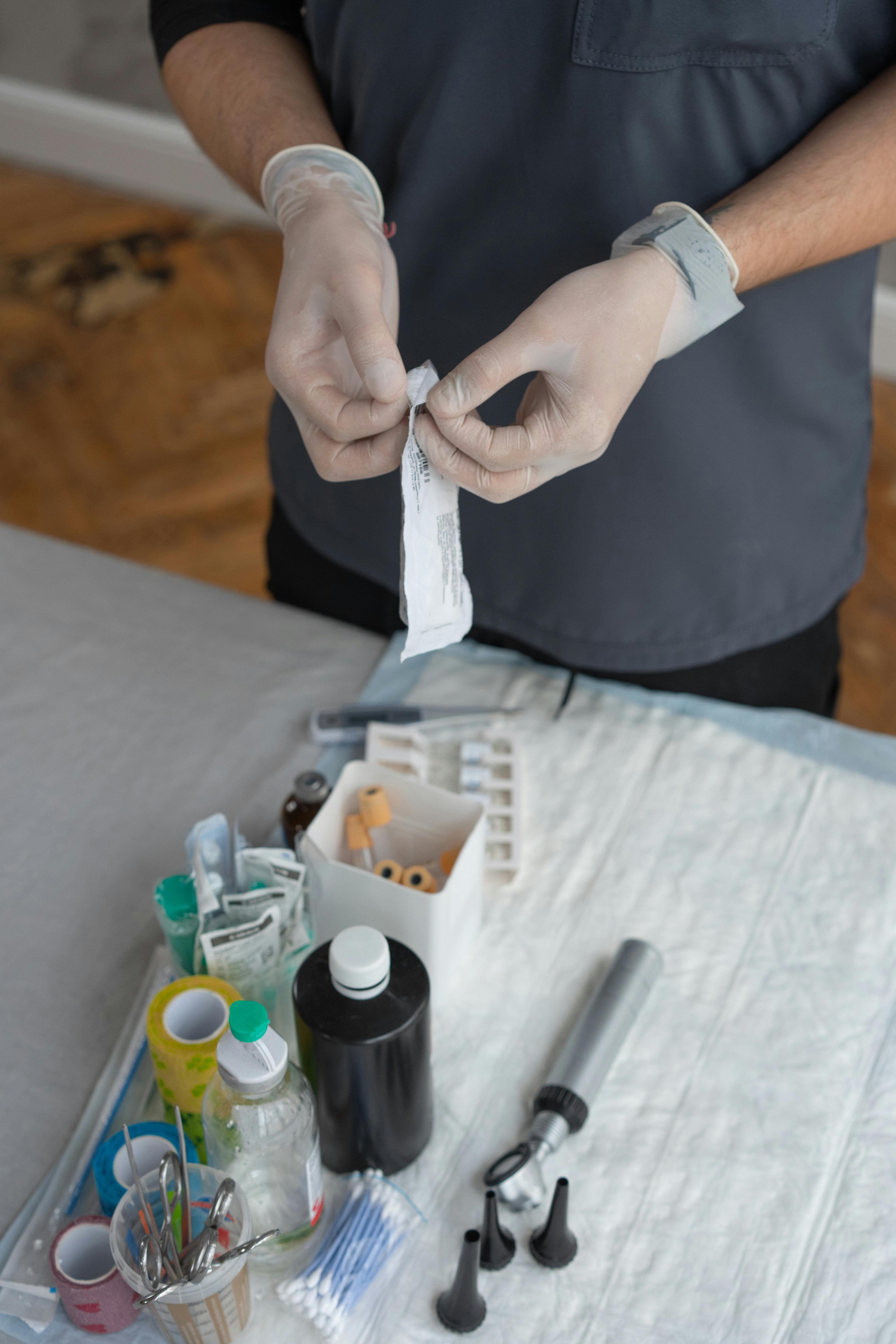
When skin is ready is a clinical question, and the people who operated on you are the ones to answer it.

Mastectomy scars settle at their own pace, and that pace is shaped by things only your treating team can see in context: the surgical technique used, whether grafts or expanders were involved, radiotherapy, ongoing treatment and how the tissue itself has behaved since. Two people with similar operations can be at very different points a year on.
For that reason Areola Tattoo Studio does not offer an opinion on when your skin has healed enough to be tattooed, and does not work to a general rule about months elapsed. Before an appointment is planned, you will be asked to confirm with your surgeon or breast care team that they are comfortable with pigment work going ahead. If they would rather wait, that is the answer we work to.
What can happen in the meantime is the conversation. A consultation costs you nothing in terms of commitment and gives you a clear picture of the work itself — how shape is drawn, how tone is chosen, what an appointment asks of you — so that when the clinical green light comes, the decision is already informed rather than rushed.
WORTH ASKING

Six questions to put to any practitioner you consider.

Answers will differ between studios. What matters is that they are specific, unhurried, and given without pressure to book.

01  How is the design mapped, and will I see and approve it drawn on before any pigment is used?

02  How is colour chosen, and is it assessed in daylight rather than under a working lamp alone?

03  What happens if scar tissue takes pigment unevenly, and how is that handled at review?

04  What aftercare will I be given in writing, and who do I contact during the healing weeks?

05  How is privacy handled — the room itself, and any photographs taken during the process?

06  What is the plan if I want to pause, change the design, or stop partway through?

A person using a mechanical pencil to draw lettering or a design on white paper.
Design is worked out on paper first, then on skin with a washable marker, before anything is fixed.
SCAR & SURFACE

Scar position and skin texture are read before a shape is drawn.

A mastectomy scar rarely sits where a textbook would put it, and the design has to answer to it. Where the line runs, how it has settled, and whether the surface is flat, tight or slightly raised all influence where a circle can be placed and how large it can be without the shape fighting the scar rather than sitting with it.
Symmetry is also discussed openly. After a single mastectomy, the remaining side gives a reference for size, height and tone. After a double, both are designed together from photographs, measurements and your own preferences — which are often quieter and more natural than people expect to be allowed.
Scarred and grafted skin holds pigment differently from untouched skin, and that is noted at consultation rather than glossed over. It is one reason the work is built in stages, and one reason no outcome is predicted in advance — including here.
IN THE ROOM

A private room, a slow pace, and nothing that has to be decided on the day.

Appointments at Areola Tattoo Studio are one-to-one and closed-door. You undress only as far as the work requires, you can bring someone with you, and you can stop at any point. People arrive with very different feelings about this step — practical, ambivalent, tired of appointments, quietly hopeful — and none of them need explaining to be accommodated.
Enquiries are handled discreetly, and a consultation is a conversation rather than a commitment. If you decide the timing is wrong, or that this is not for you, that is a complete answer.
READ NEXT

Post-Mastectomy Areola Tattoo
The treatment page: consultation, preparation, the appointment itself, healing and review.

Breast Reconstruction Tattooing
How reconstructed tissue and surgical scars change the approach to placement and tone.

Areola Colour Selection
How tone is matched and tested in daylight, and why it is decided with you rather than for you.

Areola Tattoo Healing
What the healing weeks generally involve, and why written aftercare is given at the appointment.

Ask your team about timing. Ask us about everything else.

Consultation enquiries are handled confidentially and read only by the studio. Tell us as much or as little as you want to at this stage — there is no obligation to go further.