PLATE 08  ·  REFRESH
Home  /  Services  /  Areola Tattoo Refresh

Refreshing earlier areola work as pigment softens.
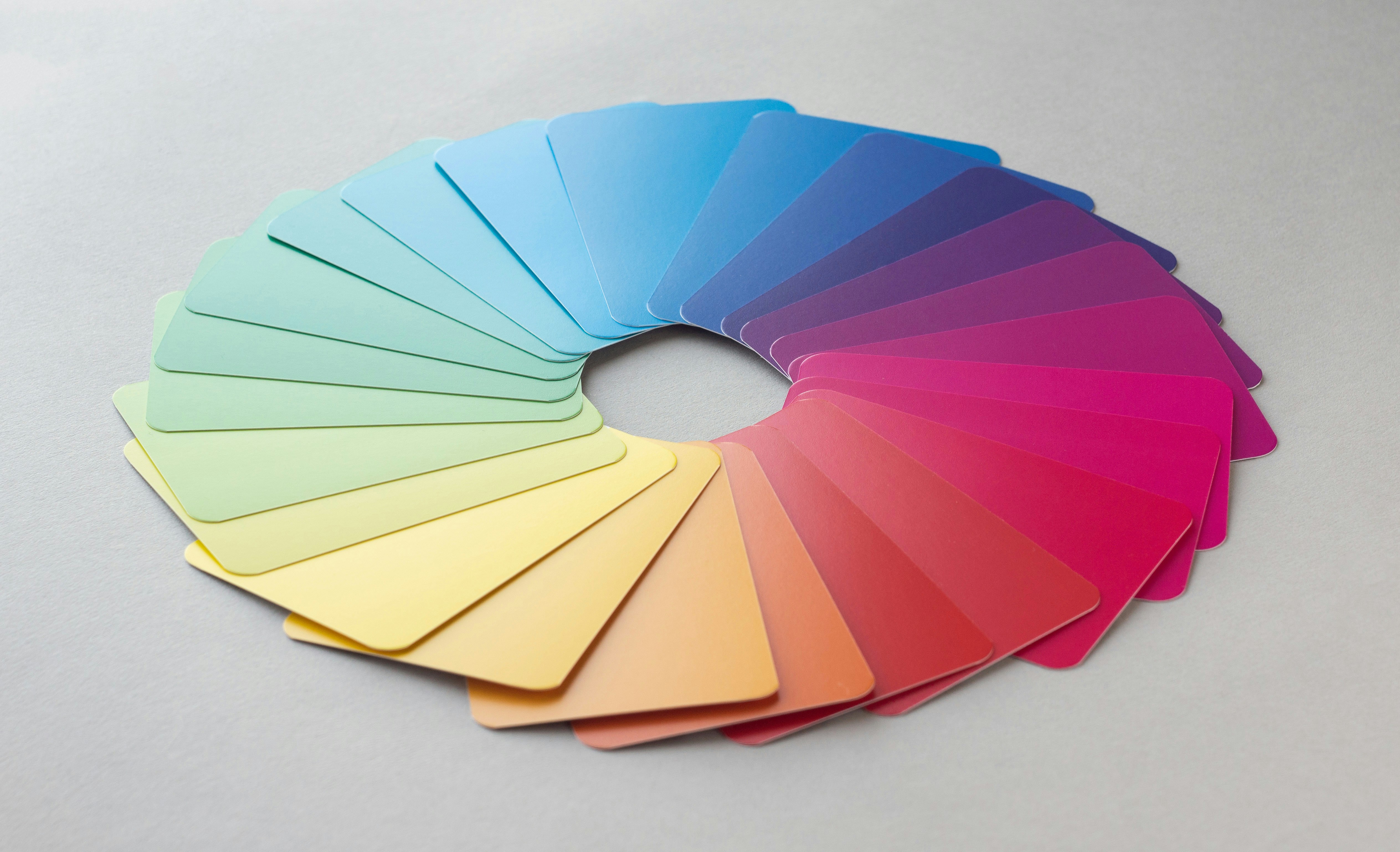
A refresh begins as a reading, not a re-tattoo. The healed result is looked at in daylight, measured against the other side where there is one, and only then is pigment re-applied where tone has lifted.
SCOPE
This page covers what a refresh appointment involves, who it may suit — including people whose original work was carried out at another studio — and how consultation, preparation, the appointment and healing are handled. It does not state how long pigment lasts or when a refresh becomes due; those are read from your skin, not from a calendar.
WHY WORK SOFTENS

What a refresh appointment involves

Cosmetic pigment sits in skin that keeps renewing itself. Over time, edges soften, depth of tone eases, and warmth or coolness can shift as the surrounding skin changes. How quickly that happens differs from person to person — skin type, healing, sun exposure and the original depth of application all play a part — so a refresh is judged by what is in front of us rather than by an interval.

The appointment itself has two halves. First the existing result is reviewed: shape, diameter, edge quality and tone, compared in natural light and, where relevant, against the opposite side. Then pigment is re-applied where it has lifted, usually more sparingly than at the original session, with small adjustments to shape or tone if those are agreed beforehand.

WHO IT MAY SUIT

Situations a refresh is usually considered for

Work that has settled lighter than you expected. Healed pigment commonly reads softer than it did in the first weeks. If the result has become quieter than you would like, a refresh can rebuild density without starting the design again.

Areola tattooing carried out elsewhere. Previous work from another studio can be reviewed here. We assess what is visible in the skin rather than relying on records, and we will say plainly at consultation if refreshing it is not the appropriate approach.

A result you would like adjusted slightly. Minor changes to diameter, edge softness or warmth are sometimes possible during a refresh. Larger shifts in colour, particularly away from an unwanted tone, belong with areola colour correction instead.

Close-up of hands drawing with a yellow pencil and ruler on white paper at a wooden table, with colored pens and scissors nearby.
CONSULTATION

Reviewing the result you have now

The consultation is unhurried and private. We look at the healed work together, note where pigment has held and where it has lifted, and talk through what you would change if anything. Measurements are taken again, because placement is judged against the chest as it is today. Nothing about the outcome is predicted; what is agreed is the intention, drawn and confirmed before the appointment is booked.

If a patch test is appropriate, or if your skin or medical circumstances have changed since the original work, that is discussed at this stage.

If your records are held by another studio

You do not need to obtain notes or pigment formulations from a previous artist. Bring anything you happen to have, including your own photographs; where nothing is available, the work is planned from what the skin shows.
STAGES

Preparation, the appointment, healing

01

Preparation

Come with the area unmarked by recent sun and with skin in its usual condition. Any aftercare or general guidance specific to you is given directly before the appointment, and questions about medications or recent procedures are best raised with your treating team.
02

The appointment

The agreed shape is re-drawn on the skin and checked with you standing before anything else happens. Pigment is then worked into the areas that have faded, building tone gradually and stopping where the existing work still holds its depth.
03

Healing and aftercare

Healing follows the same pattern as the original work: colour looks stronger at first, then softens as the skin recovers. Written aftercare is given on the day, and a review is offered once the area has settled. Further reading: Areola Tattoo Healing.
QUESTIONS

Asked before a refresh

How often is a refresh considered?

There is no fixed interval. Some people find their work holds its tone for a long stretch; others notice softening sooner. It is assessed by looking at the healed result, not by counting from the original date. How Long Does an Areola Tattoo Last? explains the factors involved.

Can the shape change at a refresh?

Small adjustments to diameter, edge or symmetry are often possible, and anything of that kind is drawn and agreed before the appointment. What can be altered depends on the size and density of the existing work, which is why the review comes first.

Is a refresh the same as colour correction?

No. A refresh rebuilds tone that has faded within a result you are otherwise content with. Where the existing pigment has turned an unwanted direction — too warm, too cool, uneven — that is addressed through areola colour correction, which is planned differently.

Will a refresh take as long as the first session?

Usually less pigment work is needed, because the shape already exists and only faded areas are addressed. The scope is confirmed at consultation once the current result has been reviewed in person.

Bring the work you already have, and we will look at it together.

Consultation enquiries are handled confidentially, and anything you choose to share is treated with discretion. If you are unsure whether a refresh or another treatment is the right starting point, say so in your message — that is a normal place to begin.