PRIVATE PARAMEDICAL PRACTICE
Confidential enquiries
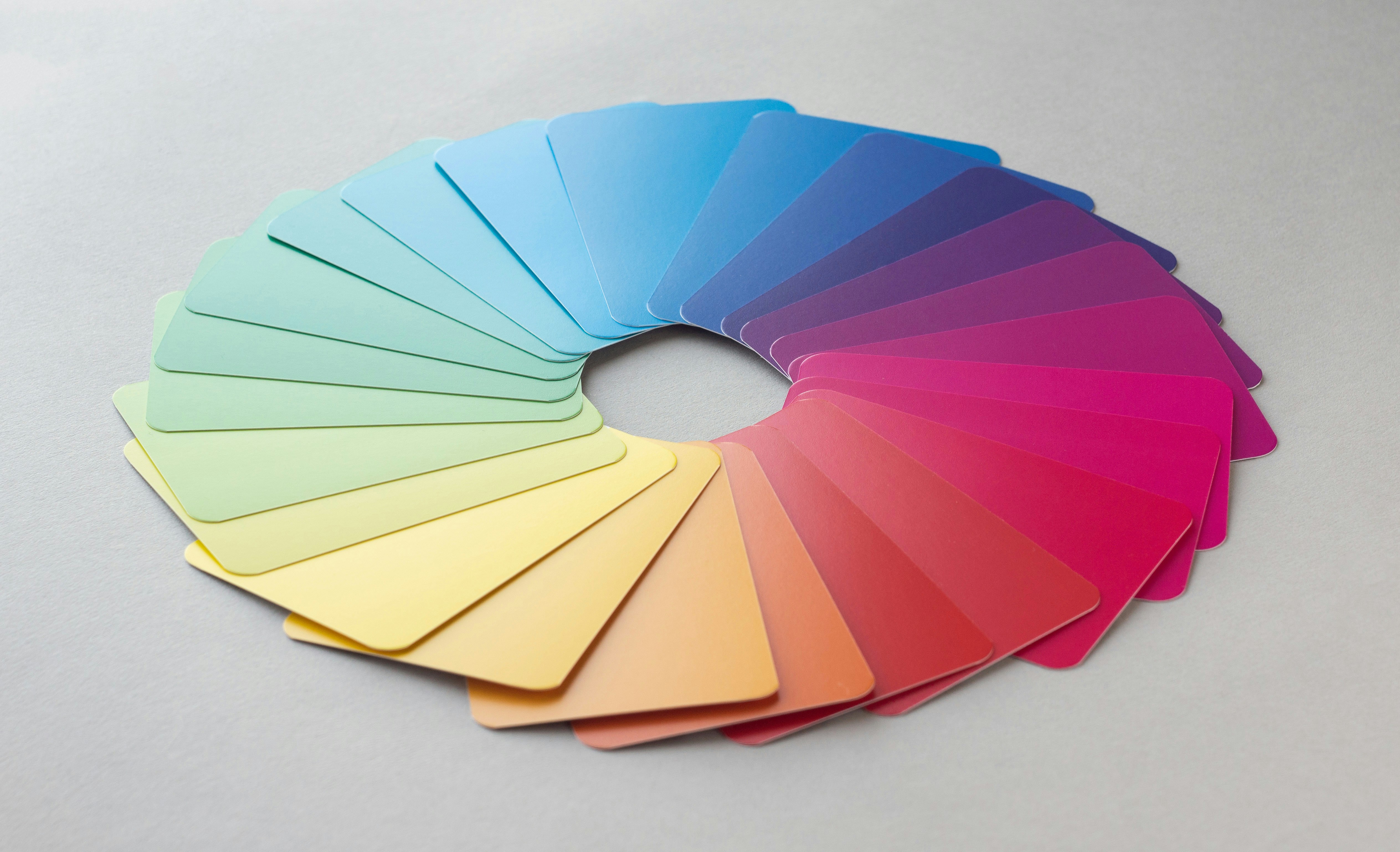
Reference photograph: a ring of colour swatches laid out on a pale surface — studio reference imagery, not a client result.
PLATE 06 · COLOUR CORRECTION
Areola colour correction: reading the tone that is there now.
Pigment in skin does not stay still. Colour can warm, cool or settle unevenly between sides as the years pass. Correction work begins with an honest look at the existing tone in daylight, then adjusts it gradually rather than in a single pass.
DISCIPLINE
Colour in living tissue
Why areola pigment shifts
Cosmetic pigment sits in the upper layers of skin, and skin renews itself continually. Over time the particles break down, and the eye begins to read what remains rather than what was originally placed. Colour may drift warm or cool depending on the pigment used, your own undertone, sun exposure and how the area healed. Work carried out elsewhere, with different pigments or a different technique, can age in ways that were difficult to predict at the time. None of this points to a fault. It is the ordinary behaviour of colour in living tissue, and it is the starting point for any correction.
What correction can address
A
Neutralising warmth
Where old pigment reads too warm, too pink or too orange against the surrounding skin, a cooler counter-tone may be layered over it so the area settles into a quieter shade. The aim is balance, not erasure.
B
Evening shape and edge
Sometimes the difficulty is the drawing rather than the colour: an outline that has spread, a circle that reads as an oval, or two sides that no longer match. Measuring and redrawing come before any pigment is chosen.
C
What correction cannot do
Corrective tattooing adds pigment; it does not lift what is already in the skin. Where lightening or removal is the goal, that belongs to a different discipline, and consultation is the place to say so plainly.
WHO THIS MAY SUIT
Who colour correction may suit
People whose earlier areola tattoo has warmed, softened unevenly, or healed differently on one side than the other.
People carrying work from another artist who would like a considered second opinion on tone before deciding whether to change anything at all.
People content with the placement and shape of existing work, but not with its colour — where the drawing still holds and only the tone needs revisiting.
Whether correction is appropriate for any individual is decided at consultation, taking into account skin condition, healing from any surgery, and how much pigment is already present. If a different treatment would serve you better, we will say so — a refresh and full areola tattooing address different situations.
CONSULTATION
Assessed in daylight, discussed before anything is decided
Existing colour is looked at in natural light, because artificial light flatters and misleads in equal measure. We compare the current tone against your surrounding skin, note where the two sides differ, and talk through what a corrective direction might involve. Pigment options are laid out and discussed with you rather than selected on your behalf, and where a small test of tone would be useful, that can be raised at the appointment. You are welcome to leave with nothing booked.
Our guide to areola colour selection explains how tone is matched and why the healed result is described as a direction rather than a fixed shade.
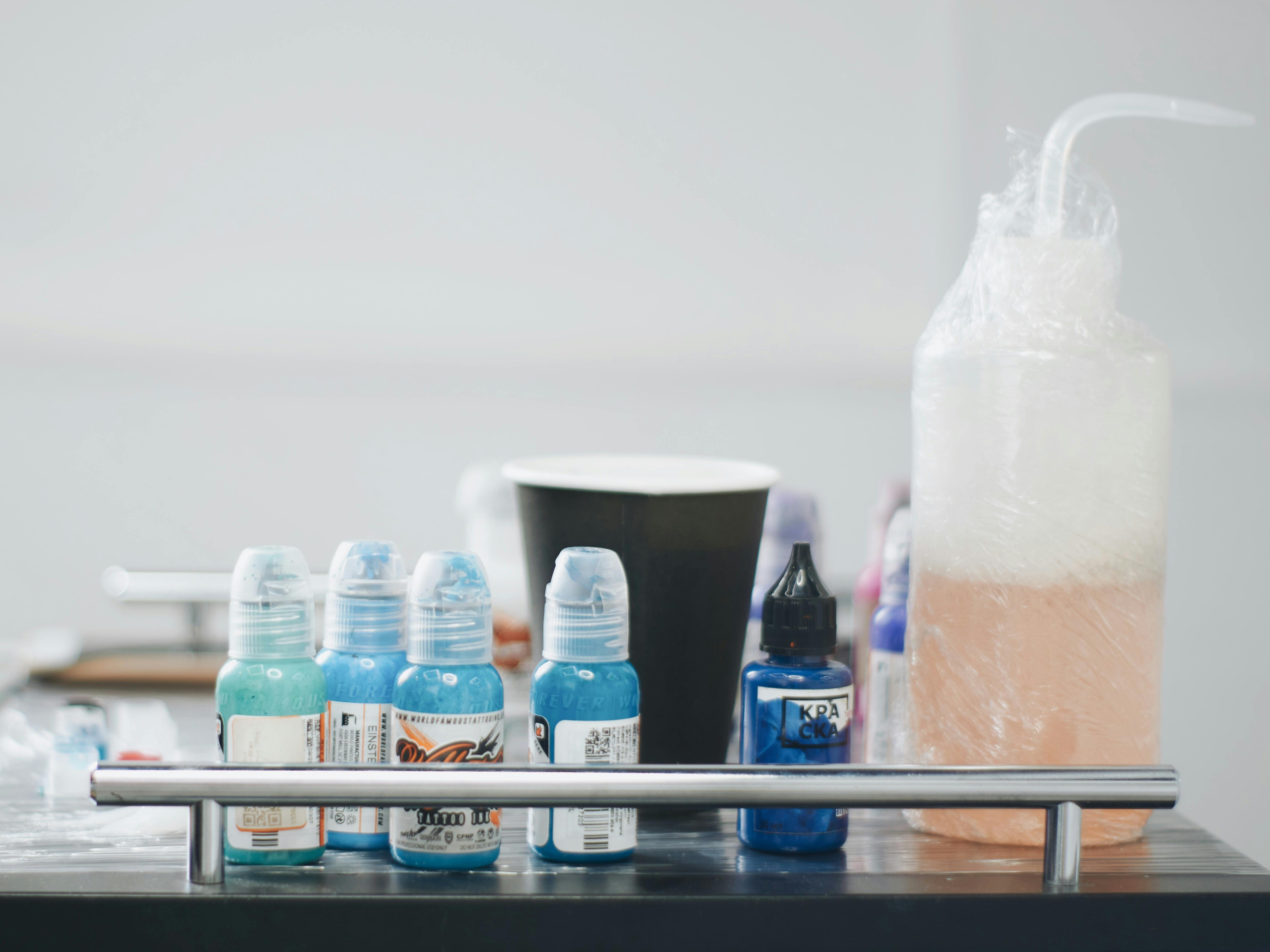
Reference photograph: sealed pigment bottles and clean workstation supplies arranged behind a tray rail.
How a correction appointment runs
01
Preparation
Keep the area out of direct sun in the weeks beforehand, since a tan alters the skin you are matching to. Bring whatever you know about the previous work: pigments used, dates, and any aftercare you were given.
02
Drawing first
Shape and placement are mapped with a skin-safe marker and reviewed with you upright, sitting and lying, before any pigment is opened. Corrections to the outline are far easier at this stage than afterwards.
03
Built in stages
Correction is generally approached conservatively. Working lightly and reviewing once healed is safer than overshooting a counter-tone, because pigment layered over pigment behaves less predictably than a first application.
04
Healing and review
Written aftercare is given for your own skin, and colour is judged only once the area has settled. A review conversation decides together whether anything further is worth doing. More on healing.
QUESTIONS
Questions about corrective work
Can existing colour be removed?
Not by tattooing. Corrective work layers new pigment over old to change how the area reads. Lightening and removal are separate fields, and if correction is unlikely to achieve what you are hoping for, that will be said at consultation.
How many appointments might be discussed?
That depends on how much pigment is present and how your skin responds. Because correction is built gradually with healing time in between, the number is discussed individually rather than fixed in advance.
Will the healed shade be exactly what we choose?
Colour is designed with you, but how it settles depends on your skin, the pigment already in place and the way healing goes. We describe a direction we are working towards, and review it honestly once the area has healed.
Can you correct work done by another artist?
Often, yes — much correction work begins that way. Whatever you can tell us about the previous appointment helps, though we can still assess the area without it. Further questions are answered on the FAQ page.
ALONGSIDE
Read alongside
08
Areola Tattoo Refresh
For work that has simply softened rather than shifted in tone. Read the refresh page.
01
Areola Tattooing
The foundational treatment, where shape and colour are designed from the beginning. See the full treatment.
GUIDE
Areola Colour Selection
How tone is matched, tested and agreed. Read the guide, or browse all ten treatments.
PLATE 06 · CLOSE
Bring the colour you have. We will look at it properly before anything is suggested.
Enquiries about existing work are handled privately and discussed only with you. Tell us what you would like to change and how you prefer to be contacted, and we will take it from there.