PRIVATE PARAMEDICAL PRACTICE
Confidential enquiries
PLATE XI · VISITING
Home / Visiting the Studio & Who We See
Visiting the studio: a quiet appointment, arranged around you.
Areola Tattoo Studio is a private Australian practice, and people travel to it for specialist restorative work. This page explains how a visit is arranged, what to weigh up if you are coming from a distance, and why the address is given directly rather than published.

Reference photograph: drawing on paper before anything else. Most of what happens at the studio is measuring, mapping and agreeing a shape — planning, not haste.
PRACTICAL · BEFORE YOU TRAVEL
A short list worth working through
Leave the day unhurried. Appointments are not run against a stopwatch, and nothing is improved by watching the clock.
Wear something loose and easy to open at the front, and bring a change of top if you would feel more comfortable.
Decide whether you would like a support person with you. Many people do; many people prefer to come alone.
Have aftercare arrangements in place at home before you leave, so you are not shopping for anything on the way back.
If you have had recent surgery or are under active treatment, speak with your treating team about timing first.
Write your questions down. People forget them in the room, and the consultation exists to answer them.
SCOPE
Who we see
The work is narrow on purpose. People come to the studio after mastectomy, after breast reconstruction, or with areola tattooing placed elsewhere that has softened or shifted in tone over the years. Others come about settled scarring — on the chest or elsewhere on the body — where the question is whether colour can be made to sit more quietly against the skin around it.
Because this is specialist restorative and paramedical work rather than decorative tattooing, it is normal for people to travel for it, sometimes a considerable distance. That is planned for rather than treated as an exception: the consultation and the appointment can be discussed together at the enquiry stage so a trip is not made twice unless you want it to be.
Suitability is a conversation, not a form response. Skin condition, how settled surgical sites are, and the advice of your own treating team all sit ahead of any design decision — and where something is better left for later, that is said plainly. You can read what each treatment involves across the Services pages, including Post-Mastectomy Areola Tattoo, Breast Reconstruction Tattooing and Scar Camouflage.
ARRANGING A VISIT
From enquiry to the door
01
You enquire, in your own words
The private consultation form is the way in. Say as much or as little as you like — an enquiry is a question, not a commitment, and nothing is scheduled on the strength of it.
02
Details are shared directly
Exact location, access and where to leave a car are given to you in private once we are in contact, rather than published on the site. It is a small thing that keeps a visit unremarkable to anyone else.
03
Appointments are arranged privately
Visits are arranged one to one, and discretion is part of how the appointment is planned rather than an extra. Timing is discussed with you when the visit is booked, so the day can be set up in the way that feels least exposed to you.
04
The visit itself
A consultation is talking, measuring and looking at shape and tone. If treatment follows, aftercare is explained before you leave and written down so you are not relying on memory. The questions page covers the rest in order.
TRAVELLING
If you are coming from further away
Give the day more room than you think it needs. A first visit usually involves more conversation than anything else, and people find they want time afterwards rather than a tight connection to make. Travelling home tired is manageable; travelling home rushed is not the note you want to end on.
Think about the first days at home, not just the appointment. Skin that has been worked on is looked after gently for a short while, so it helps to have the quiet part of your week ahead of you rather than behind you, and to know in advance what you will be doing about clothing, showering and rest. The healing guide sets out the general shape of that period; your own aftercare instructions come from the appointment.
Say in your enquiry that you are travelling. It changes how a visit is planned — what can reasonably be discussed beforehand, and how consultation and treatment are sequenced so the trip works for you rather than around a diary.
COLOUR · BEFORE YOU ARRIVE
What can be discussed at a distance — and what cannot
A good deal can be talked through before you make the trip: what a treatment involves, what shape and symmetry decisions will come up, how existing work or scarring tends to be approached, and whether the timing makes sense at all. That conversation is worth having early.
Colour is the part that resists it. Screens shift tone, photographs carry the light they were taken in, and healed pigment never looks like freshly placed pigment. Any images you choose to share are treated as a starting point for discussion and nothing more — final tone is decided in daylight, against your own skin, on the day. Anything you send is kept confidential. How colour is chosen explains the reasoning in full.
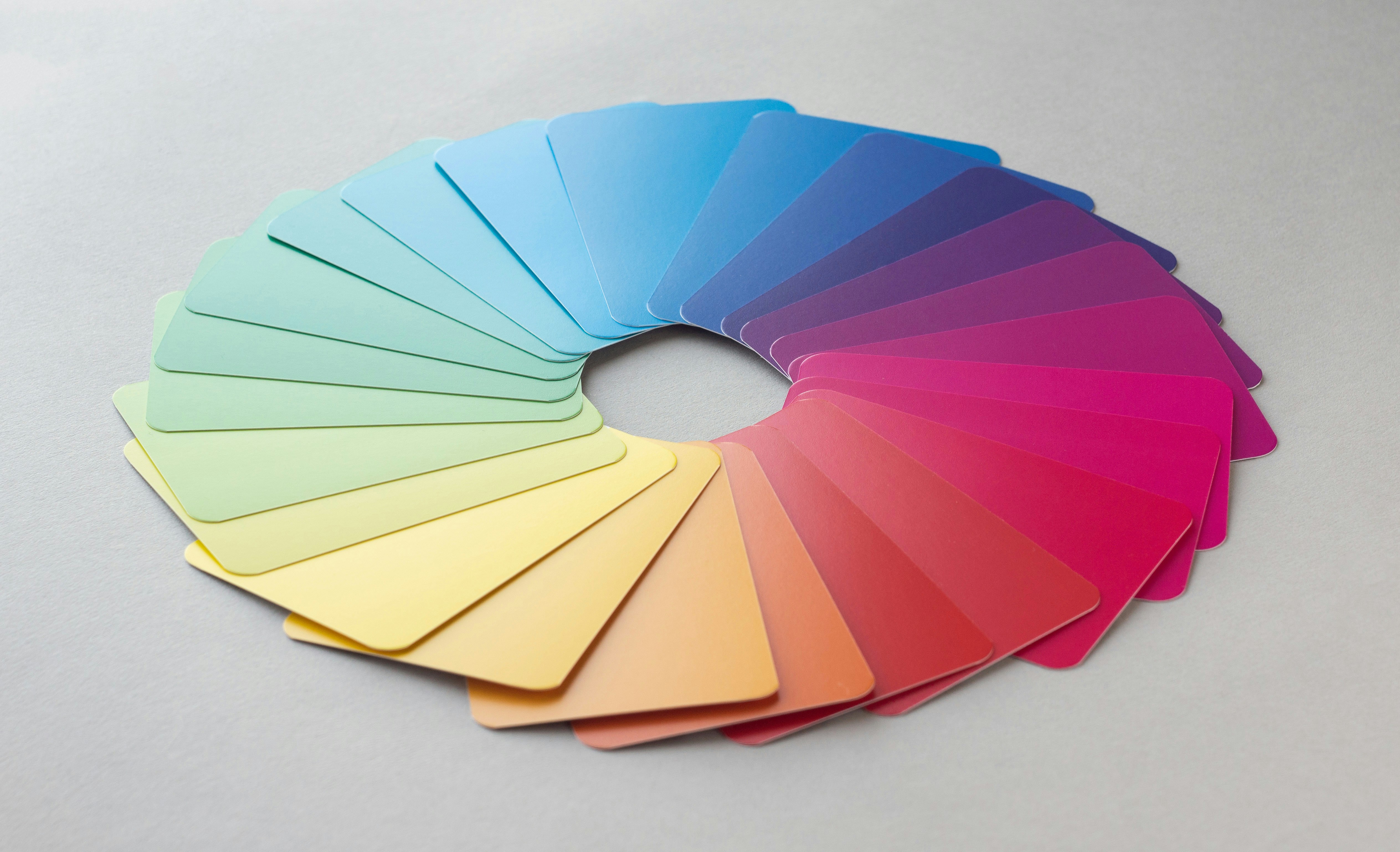
Reference photograph: swatches laid out for comparison. Tone is judged side by side and in person, which is why a visit is worth planning properly.
CLOSE
The first step is a private message, not a journey.
Tell us what you are considering and whether you would be travelling, and the practical details — where to come, how access works, how a day is best arranged — are sent to you directly. Enquiries are read privately and are not passed on.